The Postmortem Theater
We got so good at being blameless that we forgot to fix anything.
The pager screams at three in the morning. We spend four hours chasing a race condition through a distributed system that seems designed to spite us. By dawn the checkout service is breathing again, but the real toil is just beginning. We face the blank page of the postmortem document, reconstructing a timeline from a thousand fragmented Slack messages while our brains are still foggy from the adrenaline crash.
This is where the theater starts, because we are too exhausted to be accurate and too hurried to be deep.
We gather the stakeholders. We write the document. We assign the action items. We feel productive. Six months later the exact same service falls over for the exact same reason, and we realize the first document was just a very expensive piece of fiction. Blamelessness has morphed into a shield for inaction. We’re so committed to not pointing fingers that we forgot to point at the problem. If our action item completion rate is below fifty percent, we don’t have a learning culture. We have a writing assignment.
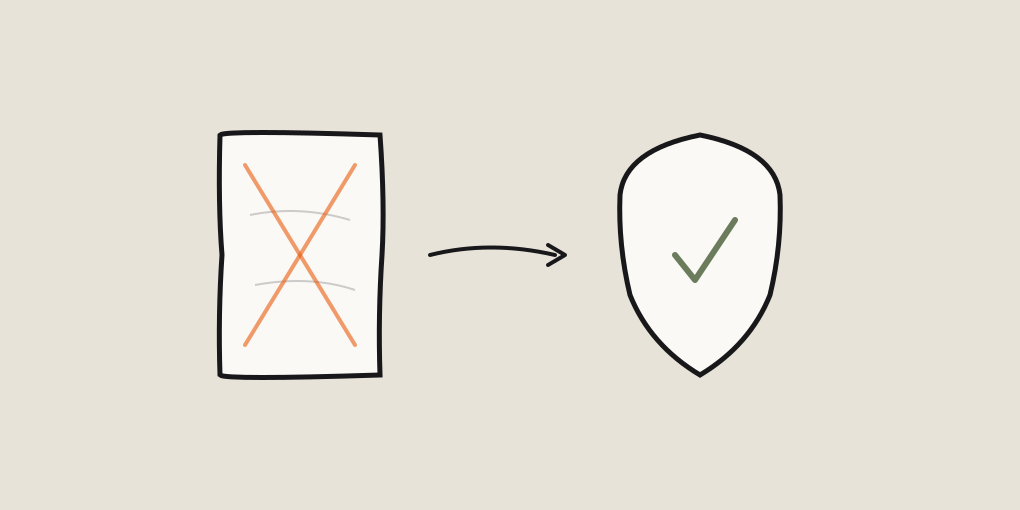
The fix is not more discipline. It’s less clerical work. We spend eighty percent of our postmortem effort documenting the past and nearly zero percent engineering the future. That ratio needs to invert. Let AI be the fly on the wall in our war rooms, capturing the raw logic of the fix as it happens. Correlated logs, reconstructed timelines, suggested architectural guardrails, all generated before the meeting even starts. This isn’t about replacing the engineer. It’s about freeing them from the reconstruction work that kills a learning culture.
The value of incident review is not the document. It is the change.
When the report generates itself, we can spend the postmortem meeting on the only thing that matters: the remediation items that prevent next month’s 3am call. A recurring outage is not bad luck. It is a voluntary tax on our engineering capital.